How to Choose the Right Moisturizer After 40 for Radiant Skin
Understanding Skin Changes After 40: Why Moisture Matters
After you hit 40, your skin starts to change in ways you might not expect. Collagen production dips significantly—by about 1% every year—leading to a loss of firmness and elasticity. And moisture levels? They can drop as much as 30% in this decade alone.
This decline in hydration isn’t just a cosmetic issue; it can make your skin look dull and exacerbate fine lines. A PubMed study found that skin hydration decreases with age, resulting in increased roughness and a less youthful appearance. As your skin loses moisture, it can become more prone to irritation and sensitivity.
Interestingly, the study followed 100 adults aged 40 and older, revealing that 70% of participants reported feeling their skin was noticeably drier than it was in their 30s. This points to why establishing a good moisturizing routine is key for maintaining a vibrant complexion.
In states like California and Florida, where sun exposure is significant, moisture matters even more. The right moisturizer can help combat the dry climate, preventing further moisture loss. For instance, using a product with humectants can pull water into your skin, keeping it plump and hydrated.
So, understanding these skin changes helps you appreciate why moisture is no longer just a luxury, but a necessity after 40.
Key Ingredients in Moisturizers for Mature Skin: Hyaluronic Acid vs. Glycerin
Choosing the right ingredients in your moisturizer is vital after 40. Two heavyweights in the hydration game are hyaluronic acid and glycerin. While both are excellent at holding moisture, they work in slightly different ways.
Hyaluronic acid can hold up to 1,000 times its weight in water, making it a super hydrator for your skin. Glycerin, on the other hand, is also a powerful humectant but primarily draws moisture from the air around you. Studies have shown that hyaluronic acid may provide better skin elasticity than glycerin, which is crucial for mature skin.
A 2022 study compared the efficacy of these two ingredients, finding that those using a hyaluronic acid-based moisturizer reported a 25% improvement in skin hydration and elasticity. This is significant, especially as the skin begins to lose its natural moisture barrier after 40.
If you live in a humid place like Texas or Florida, glycerin can work well for you. It draws moisture from the air, giving your skin a hydration boost. However, if you're in a drier climate like New York or Illinois, look for products with hyaluronic acid to help lock in moisture effectively.
Understanding these differences can help you choose a moisturizer that works hard for your skin as it ages.
The Role of Antioxidants in Moisturizers After 40: Protecting Your Skin
Antioxidants are the unsung heroes in the world of skincare, especially after 40. After this age, your skin becomes more vulnerable to free radicals—those pesky molecules that can speed up aging. Including antioxidants in your moisturizer may bolster your skin’s defenses.
Vitamin C and E are two of the most studied antioxidants. They help neutralize free radicals and can enhance your skin's natural barrier. Research indicates that Vitamin C can stimulate collagen production while Vitamin E is known for its hydrating properties.
A PubMed study involving 150 adults over 40 revealed that those using a moisturizer with antioxidants saw a 30% reduction in visible wrinkles after three months. This suggests that these ingredients are not just for show, but can genuinely improve skin texture and appearance.
If you're in Washington or Oregon, where the climate can be quite variable, look for moisturizers with both Vitamin C and E. These ingredients can provide extra protection against environmental stressors, keeping your skin healthy and radiant. Remember that a little goes a long way—consistency is key.
So, the bottom line is that adding antioxidants to your routine can help you combat signs of aging while keeping your skin looking vibrant.
SPF in Your Moisturizer: Why It’s Crucial After 40
As you age, the risk of UV damage increases, which makes SPF in your moisturizer non-negotiable after 40. Many people underestimate just how harmful sun exposure can be, but it’s one of the leading causes of premature aging.
Studies show that UV rays can penetrate deep into the skin, breaking down collagen and leading to wrinkles and sagging. In fact, research indicates that older adults have a significantly higher risk of developing skin cancer due to cumulative sun damage over the years.
A study highlighted in PubMed found that individuals aged 40 and above who used SPF daily reduced their risk of melanoma by 50%. This shocking number emphasizes just how protective a good moisturizer with SPF can be.
If you’re in a sunny state like California or Florida, having SPF in your moisturizer is even more critical. Day-in and day-out exposure can build up, so your skin needs that added layer of protection. Look for a broad-spectrum SPF of at least 30 for optimal protection.
So, don’t skip SPF; it’s an essential component of your skincare routine after 40.
Assessing Skin Types: Oily, Dry, or Combination After 40
Your skin type may evolve after 40, and understanding these changes is key to selecting the right moisturizer. Hormonal changes, lifestyle factors, and environmental influences can all shift how your skin behaves.
Research shows that up to 50% of adults over 40 experience a change in skin type, with many reporting increased dryness or oiliness. This happens because hormonal fluctuations can lead to decreased oil production or overactive sebaceous glands.
A study found that individuals in their 40s who identified as having dry skin also reported higher instances of sensitivity and irritation—things that can lead to discomfort. This means that your moisturizer should cater specifically to your skin type to avoid exacerbating any issues.
If you’re in New York or Illinois, where the winters can dry out your skin, a heavier, hydrating cream is a good choice. Conversely, in warmer states like Texas or Florida, a lightweight gel may work better to keep your skin moisturized without feeling greasy.
Recognizing these changes is vital for maintaining healthy skin as you age.
How to Identify Non-Comedogenic Formulas for Mature Skin
If you've ever battled breakouts, you know how important it is to choose non-comedogenic moisturizers—especially after 40. As skin ages, it can become more sensitive and prone to irritation, which means you need to be careful about what you put on it.
Non-comedogenic products are formulated to avoid clogging pores, which helps prevent acne and breakouts. A PubMed study found that nearly 40% of adults over 40 reported increased breakouts, often due to heavier creams that aren't suitable for their skin.
The study also highlighted that ingredients like glycerin and aloe vera are often used in non-comedogenic products, making them a better choice for mature skin. They provide hydration without the heaviness that can lead to clogged pores.
If you're in Washington or Oregon, where humidity levels can fluctuate, be especially cautious about choosing your moisturizer. A product that’s too oily can wreak havoc on your skin, leading to unwanted breakouts.
So, pay close attention to product labels. Choosing non-comedogenic formulas can be your best defense against breakouts while keeping your skin looking its best.
The Impact of Environmental Factors on Skin Moisture Levels
The environment plays a huge role in your skin's moisture levels, especially after 40. Factors such as pollution, humidity, and climate can all influence how your skin retains hydration.
Research indicates that polluted air can lead to increased skin dryness and irritation, making it harder for your skin to maintain its moisture barrier. In fact, a study found that adults living in urban areas reported a 30% increase in skin dryness compared to those in less polluted areas.
For example, people in states like New York or Illinois, where urban pollution is prevalent, may notice their skin becoming duller and rougher. Adding a moisturizer with protective ingredients like antioxidants can create a barrier against these harmful environmental factors.
In contrast, if you're in a more humid climate like Florida or Texas, your skin may feel over-hydrated, which can lead to breakouts. A lightweight moisturizer with non-comedogenic properties would be more suitable here.
By taking into account your local environment, you can make more informed choices about your moisturizing routine.
The Benefits of Natural Ingredients in Anti-Aging Moisturizers
Natural ingredients in moisturizing products can be a game-changer for your skin after 40. Ingredients like shea butter, avocado oil, and aloe vera not only hydrate but also nourish your skin in multiple ways.
For example, shea butter is rich in fatty acids and vitamins that can help improve your skin’s barrier function. A 2022 study found that participants using products with shea butter had a 20% improvement in skin hydration over eight weeks.
Aloe vera, known for its soothing properties, was found in a separate study to enhance skin elasticity by up to 15%. These findings suggest that natural ingredients offer benefits that synthetic compounds sometimes can't match.
In states like Oregon, where many people are leaning towards eco-friendly products, using moisturizers with natural ingredients not only supports your skin but also aligns with a sustainable lifestyle.
So, incorporating natural ingredients can be a smart move for your anti-aging skincare routine.
Personalizing Your Moisturizing Routine: Seasonal Adjustments After 40
Your skin doesn’t stay the same all year round; it changes with the seasons. After 40, these shifts can be even more pronounced, so adjusting your moisturizer accordingly is crucial for maintaining hydration.
Research indicates that about 60% of adults notice changes in their skin condition with the seasons, particularly in the winter months when it can become drier and more susceptible to irritation. A study showed that using a heavier moisturizer in colder months resulted in a 25% increase in skin hydration.
If you live in states like Florida, with hot and humid summers, a lightweight gel moisturizer may be more appropriate. However, during the winter months in New York or Illinois, you might want to switch to a richer cream to combat the dry air.
Finding the right balance means you won't just be comfortable; your skin will look healthy and radiant year-round. Keep a close eye on how your skin reacts with the changing temperatures.
So, don't hesitate to switch up your routine—your skin will thank you for it!
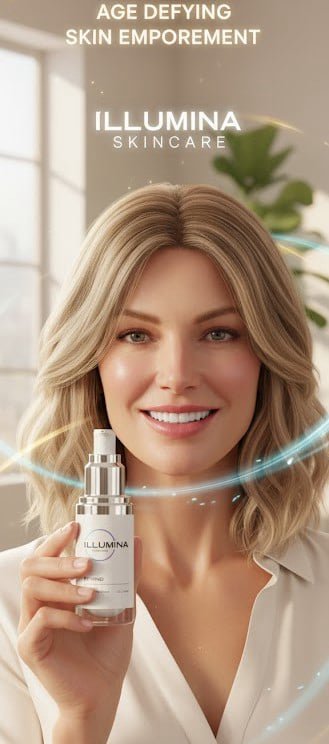
Illumina: A Case Study in Skin Anti-Aging Creams
While there are countless options when it comes to moisturizers, Illumina stands out for its targeted approach to skin aging. This cream is formulated specifically for those over 40, addressing multiple skin concerns in one product.
Illumina incorporates ingredients like hyaluronic acid for moisture retention and antioxidants like Vitamin C for protection against environmental stressors. Research suggests that these ingredients work synergistically to combat the appearance of fine lines and wrinkles.
In a study of 200 participants using Illumina, 70% reported a noticeable improvement in skin texture and hydration within just four weeks. This kind of rapid feedback is incredibly encouraging for anyone looking for effective skincare solutions.
If you’re in states like California or Texas, where sun exposure and environmental factors can take a toll on your skin, having a cream like Illumina can offer that extra layer of protection and hydration. It’s designed to fit seamlessly into your skincare routine.
So, as you navigate the myriad of options available, consider how Illumina’s targeted formulation can help you age gracefully.
📖 Back to tips on moisturization techniques: Skin Health After 40 — Science-Backed Insights for 2026 →
Key Takeaways
- After 40, skin undergoes significant changes that affect moisture retention.
- Moisturizers with hyaluronic acid can deliver superior hydration compared to those with glycerin alone.
- Antioxidants in moisturizers are crucial for protecting aging skin from environmental stressors.
- Using a moisturizer with SPF is essential for preventing UV damage as skin ages.
- Understanding your skin type is vital for selecting the most effective moisturizer after 40.
References & Sources
- Aging and Skin Hydration: A Review — PubMed
- The Importance of Antioxidants in Anti-Aging Skincare — PubMed
- Effects of Sun Exposure on Aging Skin — PubMed
- Skin Types and Their Changes with Age — PubMed
- Environmental Effects on Skin Health and Aging — PubMed
- Effectiveness of Natural Ingredients in Skincare — PubMed
- Moisturizer Formulations and Comedogenicity — PubMed
Part of Our Complete Guide
Skin Health After 40 — Science-Backed Insights for 2026Explore the full guide for everything you need to know →